The first thing you notice is not the speed.
It is the precision.
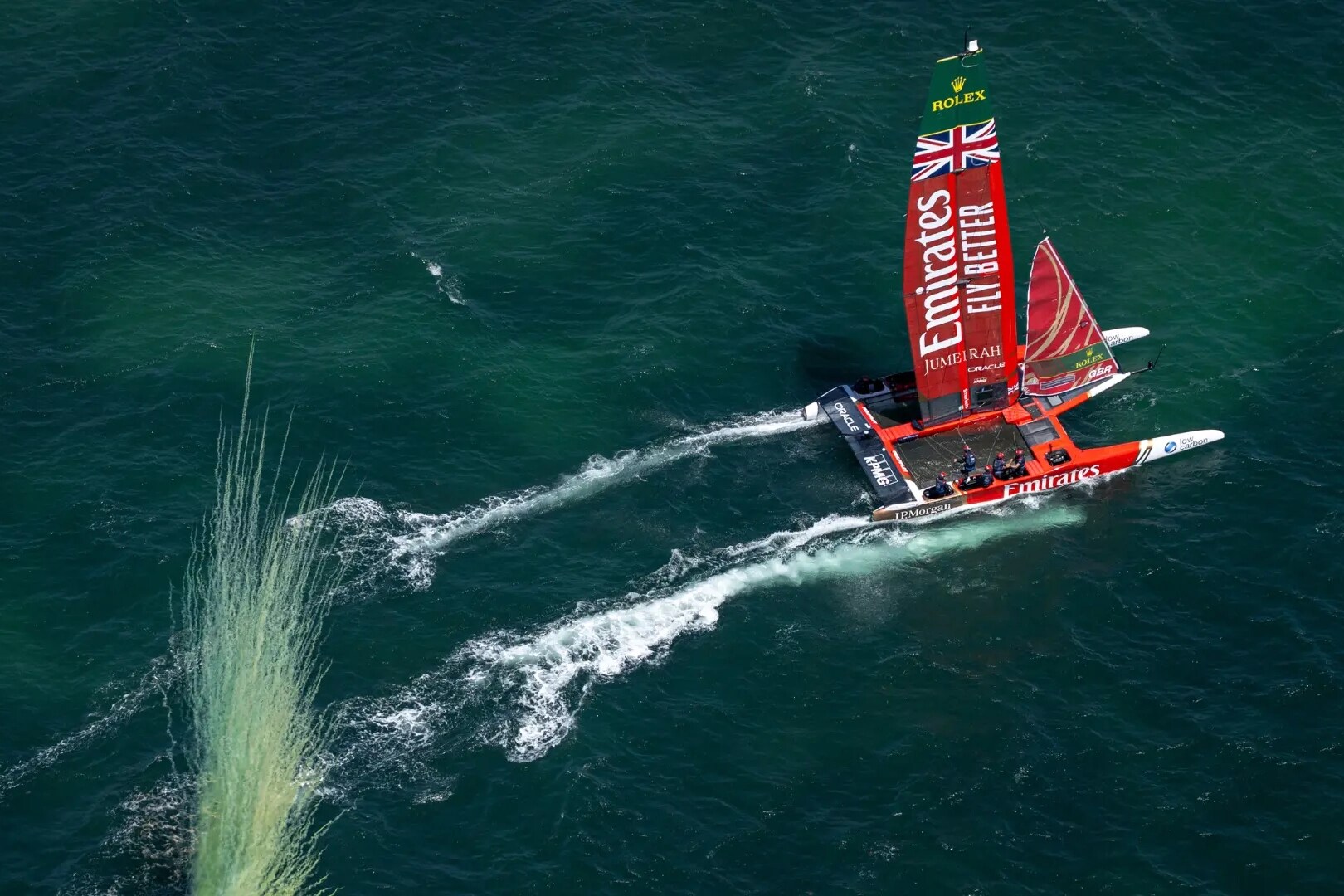
An F50 catamaran rises silently above the water, lifted on hydrofoils as it accelerates across the racecourse with remarkable control. Travelling at speeds of more than 100 kilometres an hour using nothing more than the power of the wind, every manoeuvre depends on reading forces that cannot be seen: a subtle shift in breeze, a change in current, a perfectly timed adjustment made almost instinctively.
For the world's finest sailors, success has never been about mastering the sea. It comes from understanding it.
That philosophy sits at the heart of SailGP, where victory belongs to those who work with the elements rather than against them. It is also what makes Jumeirah's partnership with the Emirates Great Britain SailGP Team feel so natural. While one is defined by elite sport and the other by hospitality, both are shaped by the same enduring relationship with the ocean.
For Jumeirah, that connection began long before the partnership itself.
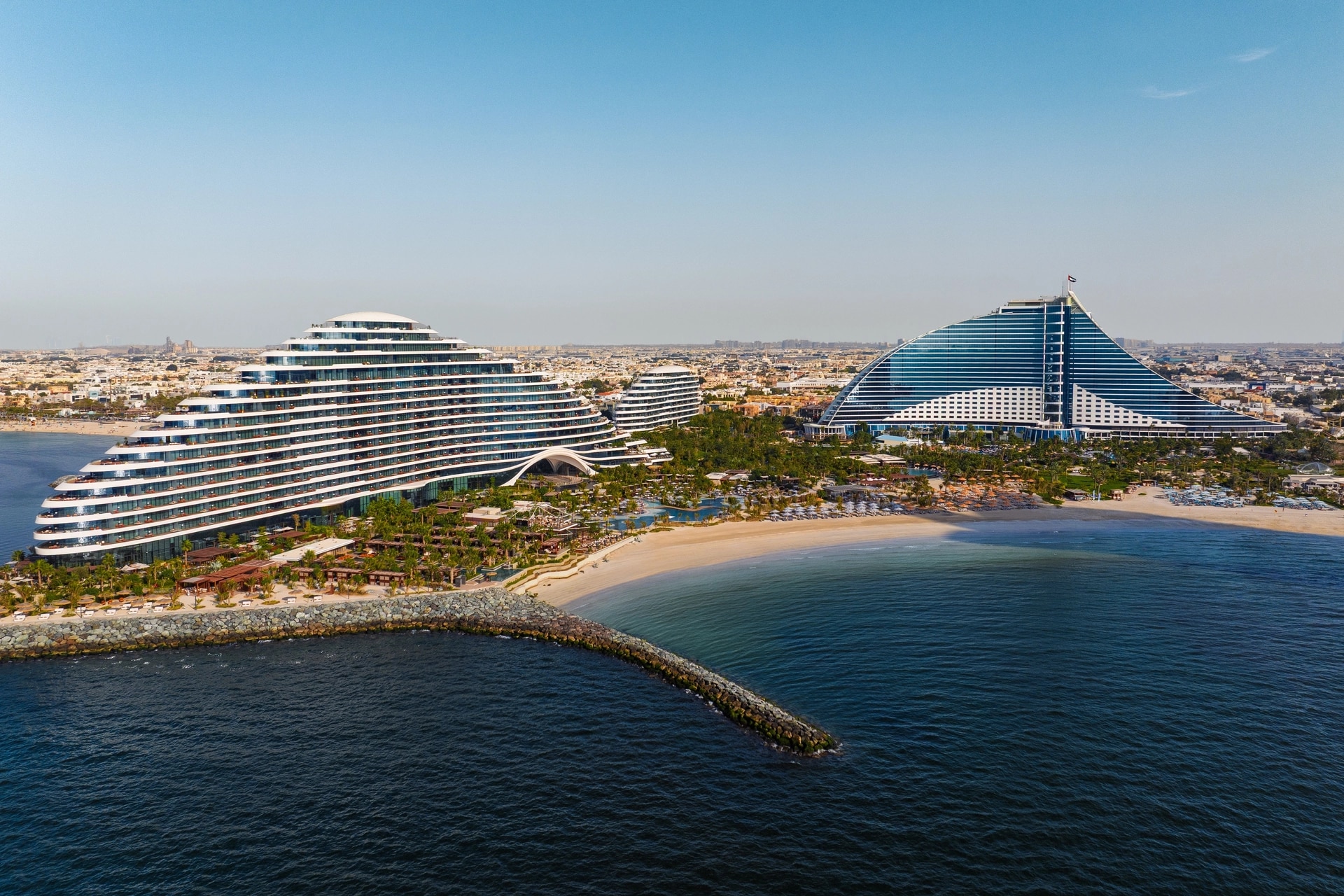
Along Dubai's shoreline, the sea is written into the brand's identity. Jumeirah Beach Hotel rises in the curve of a breaking wave, while Jumeirah Burj Al Arab has become one of the world's most recognisable landmarks through its interpretation of the sail of a traditional dhow. The recently opened Jumeirah Marsa Al Arab continues the conversation, its sleek profile inspired by a superyacht poised to leave the marina. Across Madinat Jumeirah, waterways thread through the resort, where traditional abras continue a centuries-old way of moving across the water.
These architectural gestures are more than design references. They acknowledge a coastline whose history was built on fishing, pearl diving and maritime trade, when wooden dhows connected Dubai with ports across the Arabian Gulf, East Africa and the Indian subcontinent. Long before the city became a global destination, the sea sustained it.
It remains just as influential further along the coast of the Arabian Peninsula.
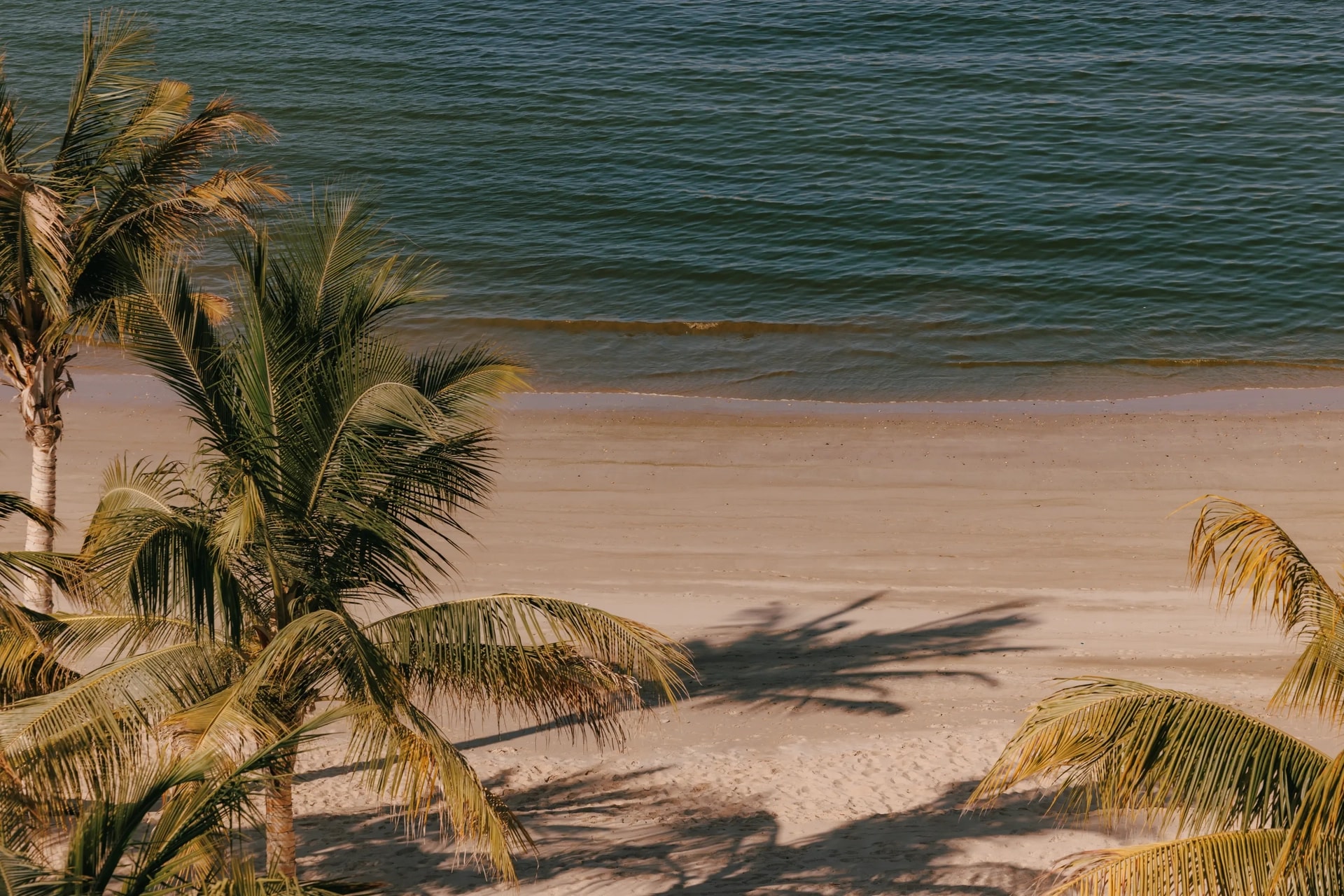
At Jumeirah Muscat Bay, the relationship with the water is less symbolic and more immediate. Here, guests join local fishermen as they return with the morning's catch before sharing a Boat to Table lunch overlooking the bay where the fish were landed only hours earlier. Nearby lies Qantab, a traditional fishing village where knowledge of tides, currents and seasonal waters continues to pass from one generation to the next. It is a reminder that for many coastal communities, the sea is not simply admired; it is understood.
That understanding extends beyond the shoreline. Open-water swims reveal coral gardens and dramatic rock formations beneath the surface, while excursions to the protected Dimaniyat Islands bring encounters with sea turtles, dolphins and, during the summer months, migrating whale sharks. Further offshore, the deliberately scuttled Al Munassir has evolved into one of Oman's most celebrated artificial reefs, demonstrating the ocean's remarkable capacity for renewal.
If Oman reveals the sea as a way of life, Capri celebrates it as a way of travelling.
Approaching the island by water remains one of the Mediterranean's great arrivals. Limestone cliffs rise from impossibly blue seas, hidden coves emerge between the rocks, and traditional wooden Gozzo boats continue to navigate the same coastline they have for generations. Staying at Jumeirah Capri Palace, it is easy to understand why the sea has always been central to the rhythm of life here. It shapes the pace of the day as much as the landscape itself.
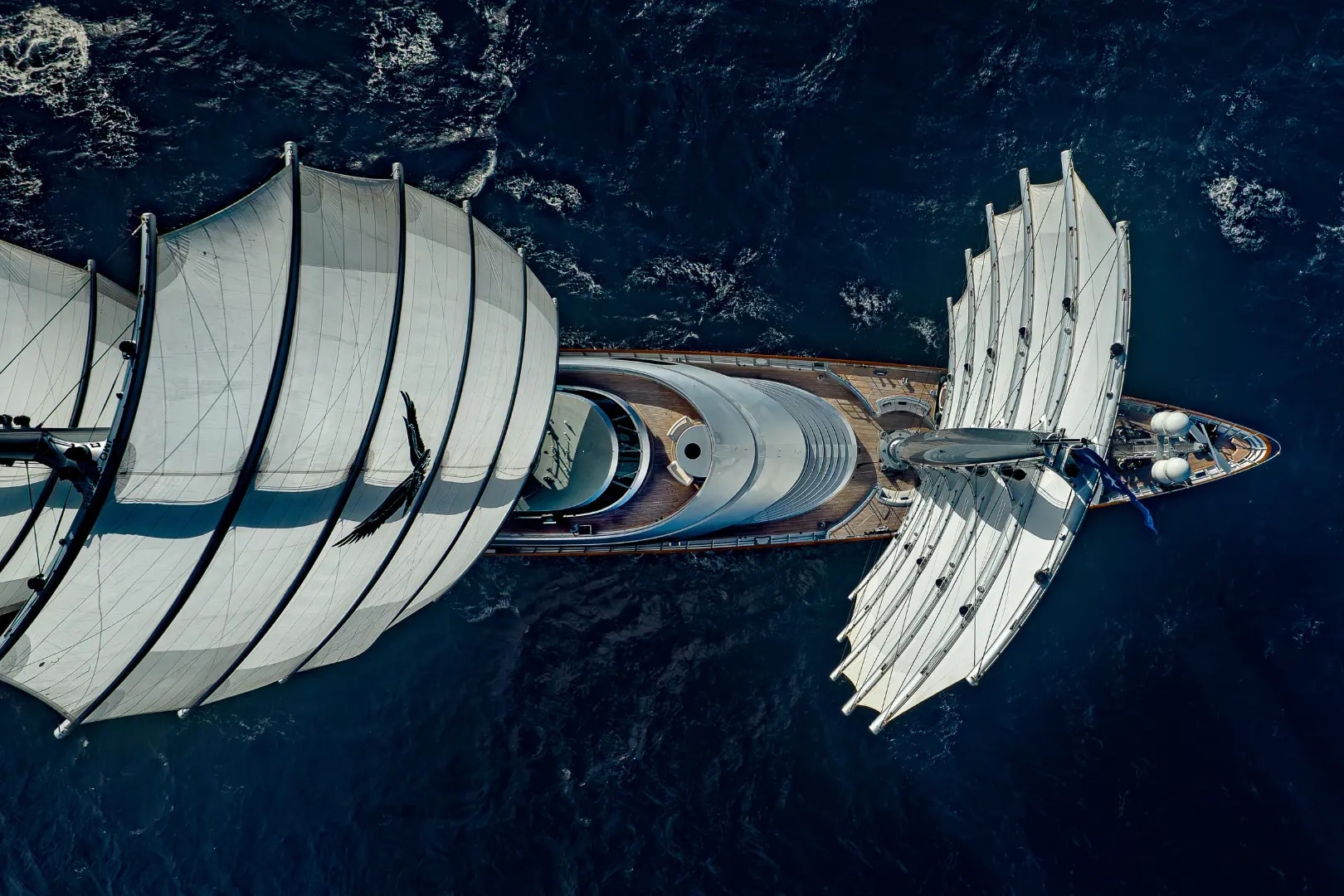
For those wishing to venture further, Jumeirah extends that relationship with the sea through The Maltese Falcon, a Jumeirah Privé Experience. Widely regarded as one of the world's most celebrated sailing superyachts, the 88-metre vessel combines pioneering design with the romance of wind-powered travel. Its striking DynaRig system unfurls 2,400 square metres of sail in just minutes, allowing it to glide between some of the Mediterranean's most captivating coastlines - from the Balearic Islands and the French Riviera to the Amalfi Coast, Sardinia, Croatia, Montenegro, Greece and Türkiye - before crossing to the Caribbean for the winter season.
Watching The Maltese Falcon under full sail, it is difficult not to think back to the F50s of SailGP. One represents the heritage of ocean voyaging, the other the cutting edge of competitive sailing. Yet both are guided by the same principle: wind cannot be controlled. It can only be read.
That respect for the sea extends beyond navigation.
SailGP has become as well known for its environmental ambition as its racing, with its pioneering Impact League recognising teams for measurable action in sustainability and ocean health alongside their sporting achievements. Emirates Great Britain has led that movement, demonstrating that success on the water carries equal responsibility beyond it.
Across Jumeirah's coastal destinations, that same philosophy is reflected in longstanding conservation initiatives. In Dubai, the Dubai Turtle Rehabilitation Project has helped rescue, rehabilitate and return more than 2,320 sea turtles to the Arabian Gulf since 2004, while guests can witness rehabilitation first-hand at Jumeirah Al Naseem. Together with marine conservation initiatives across the wider portfolio, these efforts recognise that protecting the ocean is inseparable from celebrating it.
Perhaps that is what ultimately defines Jumeirah's partnership with the Emirates Great Britain SailGP Team.
It is not simply a meeting of two global brands, but of two organisations shaped by the same understanding: that the sea rewards those who pay attention to it.
Whether racing above the water at extraordinary speed, sailing quietly across the Mediterranean or watching fishermen return to shore in Oman, the experience begins in exactly the same place - with the wind, the tide and an enduring respect for the ocean that connects them all.